Some links on this page are affiliate links: if you book through them, we may earn a commission at no extra cost to you. How this works
Visitors to Madeira soon meet poncha. It is the island's own drink: aguardente de cana, the spirit distilled from sugar cane, mixed with honey, sugar and lemon juice, and stirred hard with a wooden stick called a mexelhote.
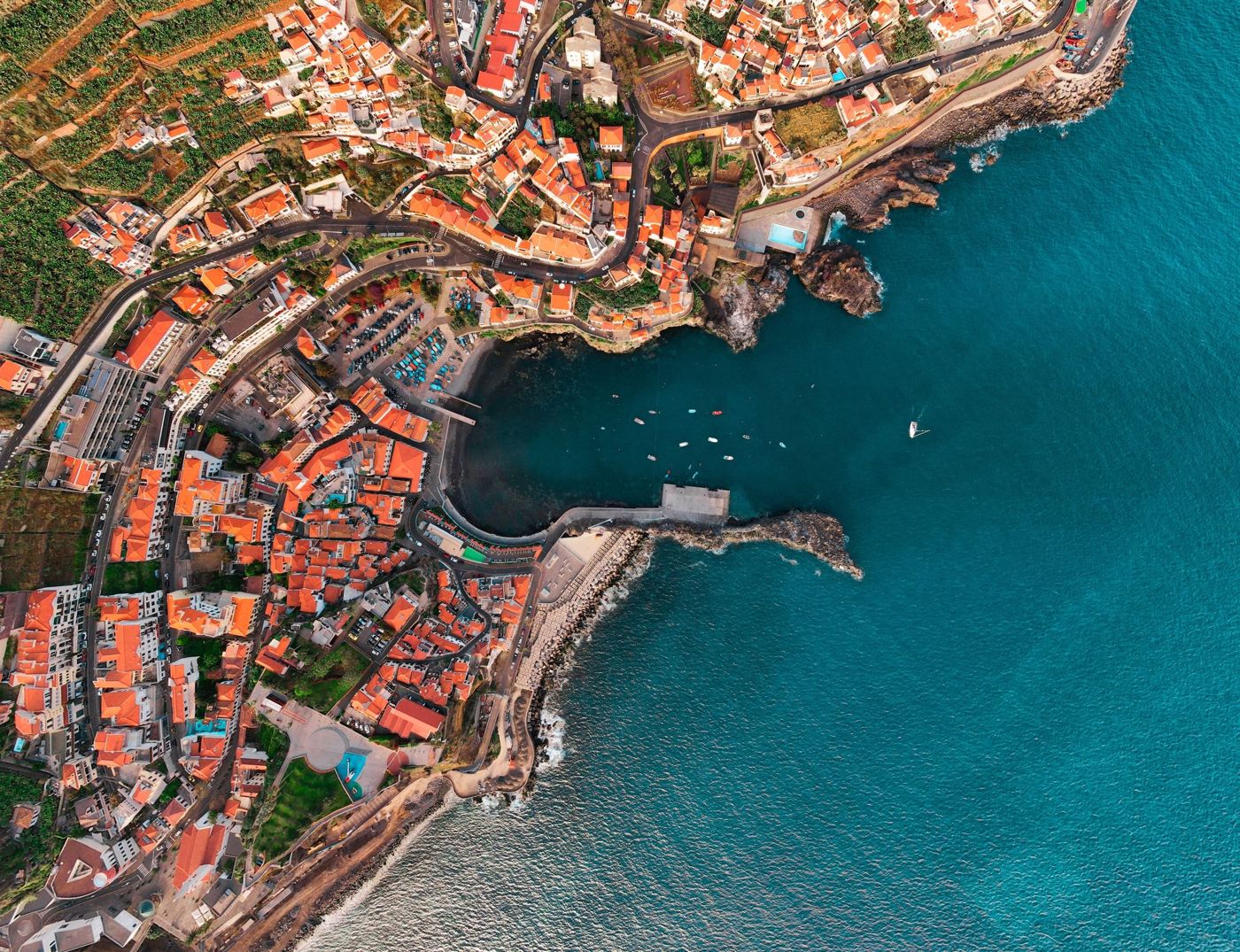
It dates from the 18th century, when the English brought a drink called panche from India and the island made it its own. The first poncha appeared in Câmara de Lobos, 14 minutes west of Funchal, to warm fishermen on cold nights at sea, which is why the original is called poncha à pescador, the fisherman's poncha.
It is sweet and sour, and it is strong.
Poncha where it began, on a short tour from Funchal.
 Top rated
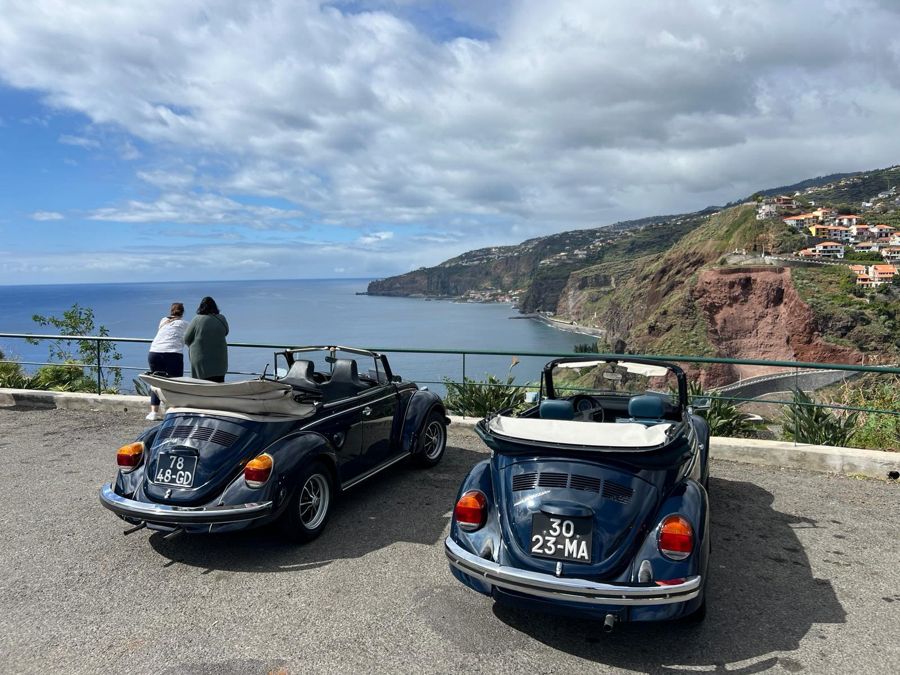
From Funchal: Cabo Girão & Poncha Tasting by Classic VW
Cabo Girão and a poncha tasting
 In Funchal
What goes in, and the flavours
The common mistake is to think poncha is a cocktail of anything with rum. Two things are never left out.
The base is aguardente de cana, the sugar-cane spirit, and the tool is the mexelhote, the wooden stirrer used to stir the honey, sugar and lemon vigorously into the spirit. The original, the poncha à pescador, uses lemon.
The flavours have spread since. Passion fruit poncha, with the tropical fruit, is one of the most popular; tangerine, English tomato and mint versions are also common.
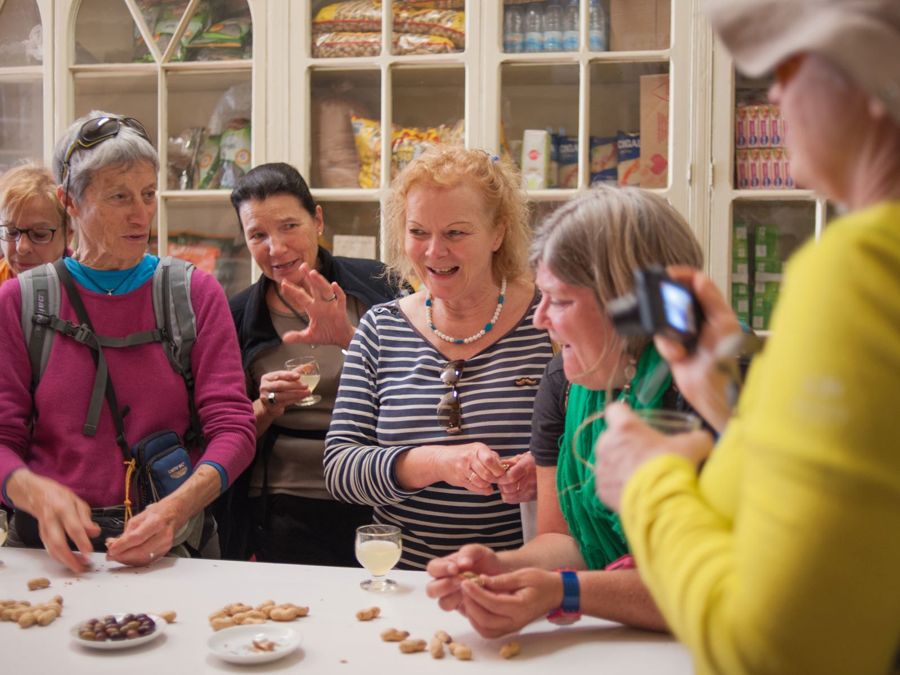
It is poured in most bars and restaurants across Madeira and Porto Santo, often in a characteristic small glass and with a dentinho on the side, a free snack of peanuts, lupin beans or another local bite.
Drink it slowly. The spirit behind it is strong, and a sweet drink hides that well.
Poncha and its spirit
| Detail | |
|---|---|
| Base | Aguardente de cana, sugar-cane spirit |
| Mixed with | Honey, sugar and lemon juice |
| Stirred with | A wooden mexelhote |
| Origin | Câmara de Lobos, 18th century |
| Flavours | Lemon, passion fruit, tangerine, English tomato, mint |
| Madeira rum | At least 37.5% alcohol, certified by IVBAM |
- Detail
- Aguardente de cana, sugar-cane spirit
- Detail
- Honey, sugar and lemon juice
- Detail
- A wooden mexelhote
- Detail
- Câmara de Lobos, 18th century
- Detail
- Lemon, passion fruit, tangerine, English tomato, mint
- Detail
- At least 37.5% alcohol, certified by IVBAM
Madeira rum, the spirit behind it
People often think of the island's sugar as history only. It is still distilled.
Sugar cane came to Madeira in the 15th century, from Sicily, and became so valuable that it was called white gold. The first stills for cane spirit appeared at the end of the 19th century; production fell in the 20th, and demand has grown again since 2000.
Madeira rum is made only by fermenting and distilling the juice of sugar cane, at a strength of at least 37.5%, and IVBAM, the institute that also regulates Madeira wine, certifies what is sold. Among the producers are J. Faria & Filhos in Funchal and Engenho Novo da Madeira in Calheta; the Engenho da Calheta, one of the island's oldest sugar-cane mills, still makes rum and cane honey.
To drink poncha where it began, go to Câmara de Lobos, 14 minutes from Funchal by road. The Câmara de Lobos guide covers the town, and Visit Madeira the island's other drinks.
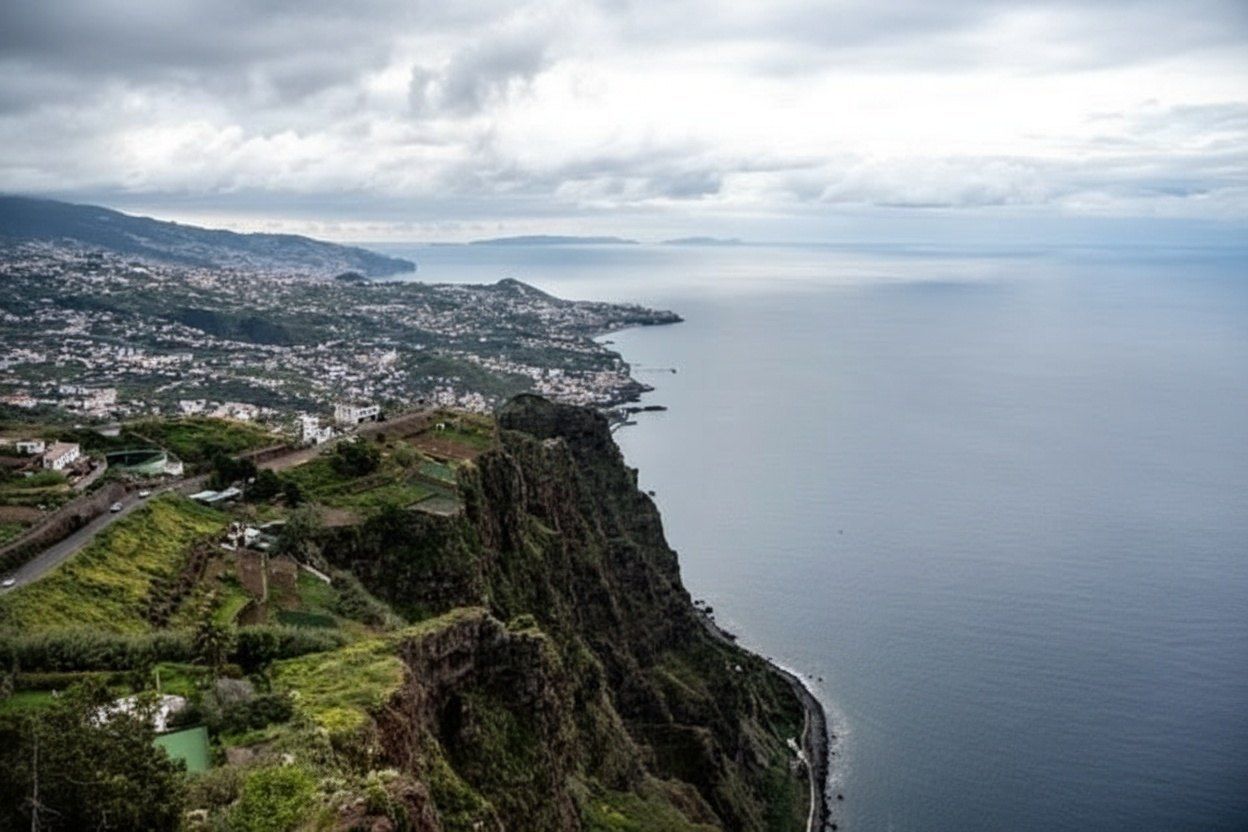 To drink poncha where it began, visitors travel to Câmara de Lobos, which is just 14 minutes from Funchal by road.
Common questions
What is poncha made of?
Aguardente de cana, the sugar-cane spirit, with honey, sugar and lemon juice, stirred with a wooden mexelhote.
Where does poncha come from?
From Câmara de Lobos, where it was first made in the 18th century to warm fishermen at sea.
What flavours of poncha are there?
The original lemon, and passion fruit, tangerine, English tomato and mint.
How strong is Madeira rum?
At least 37.5% alcohol, and it is certified by IVBAM.