Some links on this page are affiliate links: if you book through them, we may earn a commission at no extra cost to you. How this works
The nearest way into the Laurisilva forest from Funchal is Ribeiro Frio, 25 minutes by road, on the route of bus 103 to Santana, where PR11, an easy 1.5 km path, leads to the Balcões viewpoint. The Madeira forest that UNESCO listed in 1999 is this laurel forest of about 15,000 ha, about 20% of the island, believed to be 90% primary forest that has never been felled.
Forest of this kind once covered much of southern Europe. Today it survives only in the Azores, Madeira and the Canary Islands, and Madeira holds the largest area left. Its oldest trees may be more than 800 years old.
Further out are the Caldeirão Verde levada from Queimadas and the old til trees of Fanal. The forest grows mostly on the north side, the wet side, so bring a waterproof.
Three guided ways into the laurel forest from Funchal, east or west.
 Forest walk
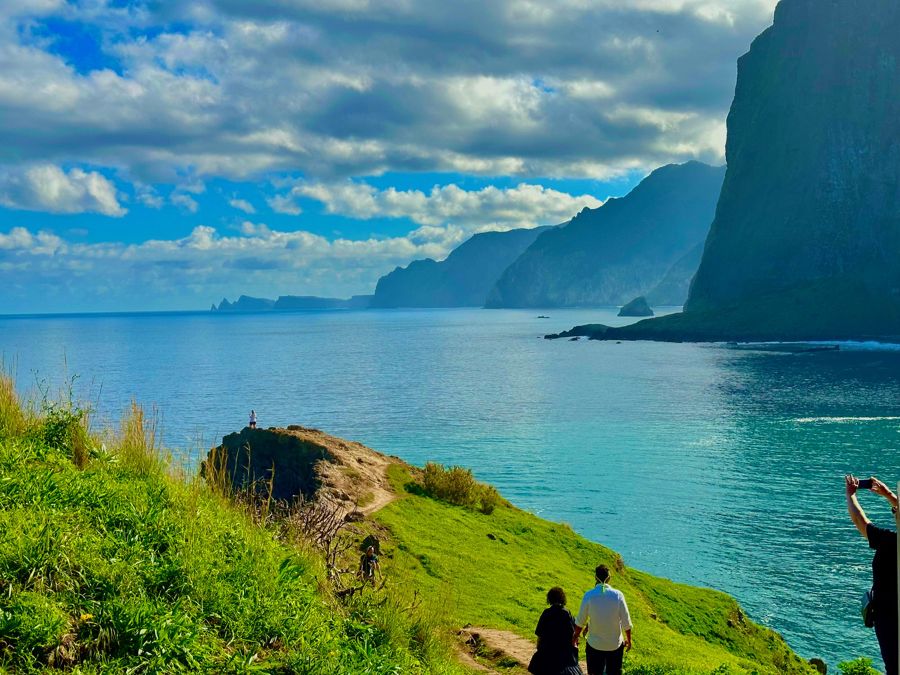
Funchal: East Madeira Island Guided Tour & Laurissilva Walk
The east of the island with a forest walk
 Top rated
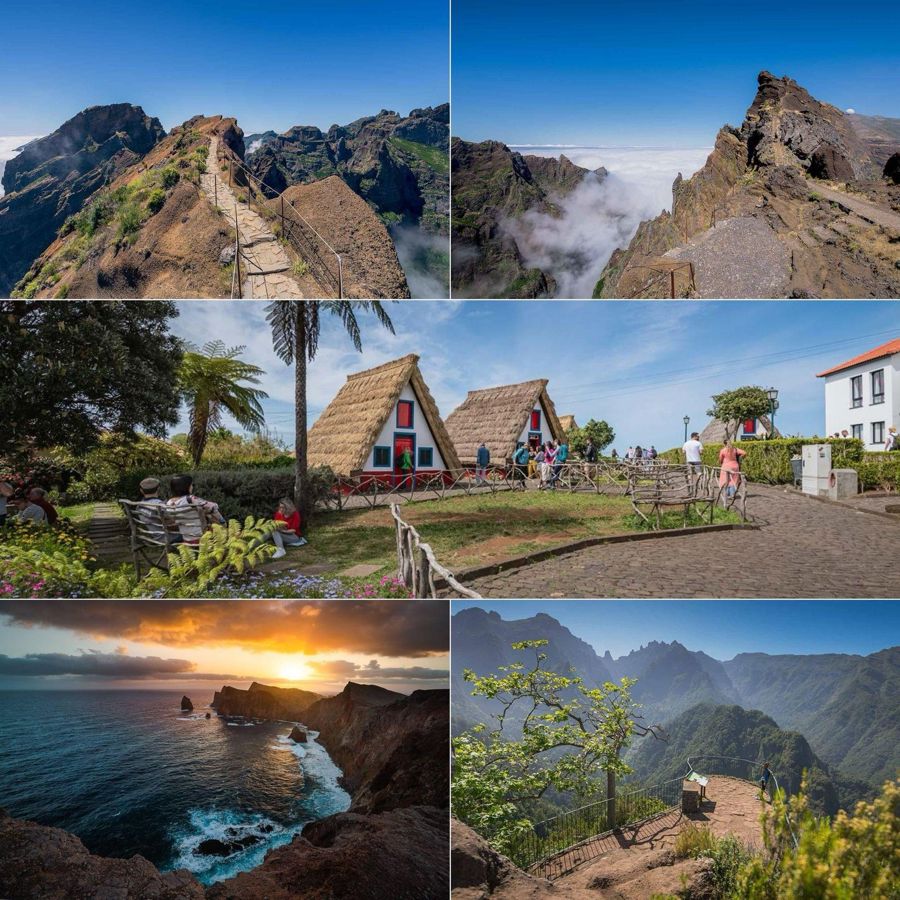
Madeira Funchal:East Tour Pico Arieiro & Santana&Laurissilva
The forest with Pico do Areeiro and Santana
 Most reviewed walk
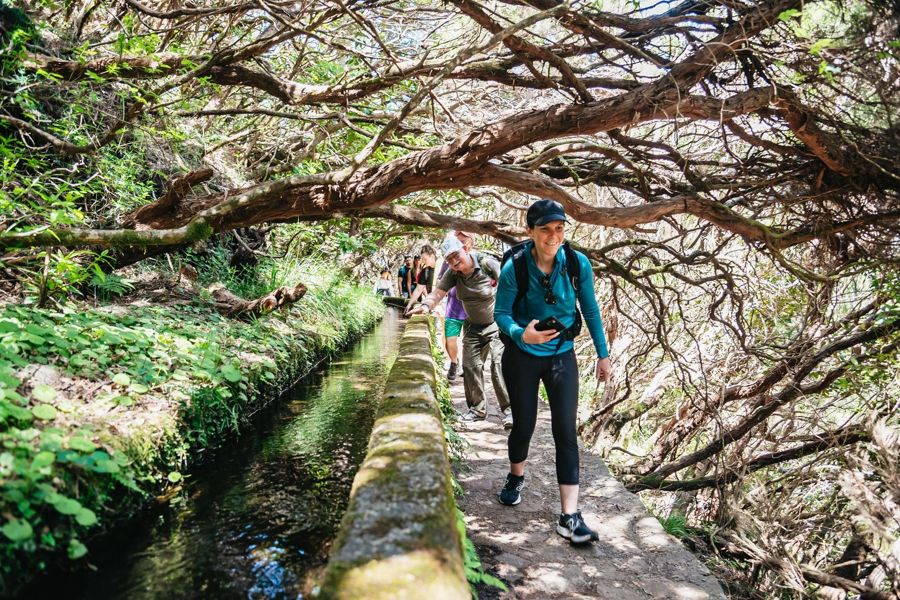
Madeira: Enjoy a Guided Levada Walk in the Rabaçal Valley
A guided levada walk in the west
Where the forest grows
The common mistake is to look for the forest around Funchal. It grows mostly on the other side of the mountains.
The Laurissilva forest Madeira location, to use the Portuguese spelling, is mainly the island's north-facing slopes, between about 300 and 1,300 m. On the south side it survives in places too, higher up, at about 700 to 1,200 m. Funchal lies below that band, on the dry south coast, so from the city every visit to the forest starts with a drive uphill.
The main ways in, and their distances by road from Funchal:
Ribeiro Frio, 16.9 km, about 25 minutes, a forest park on the road from Funchal to Santana, where PR11 and PR10 start.
Queimadas, 44.3 km, about 51 minutes, above Santana, the start of PR9 to the Caldeirão Verde.
Fanal, 47.4 km, about 76 minutes, in the far north-west, with its grove of old til trees.
Between them, the forest covers about a fifth of the island, and the levadas cross it.
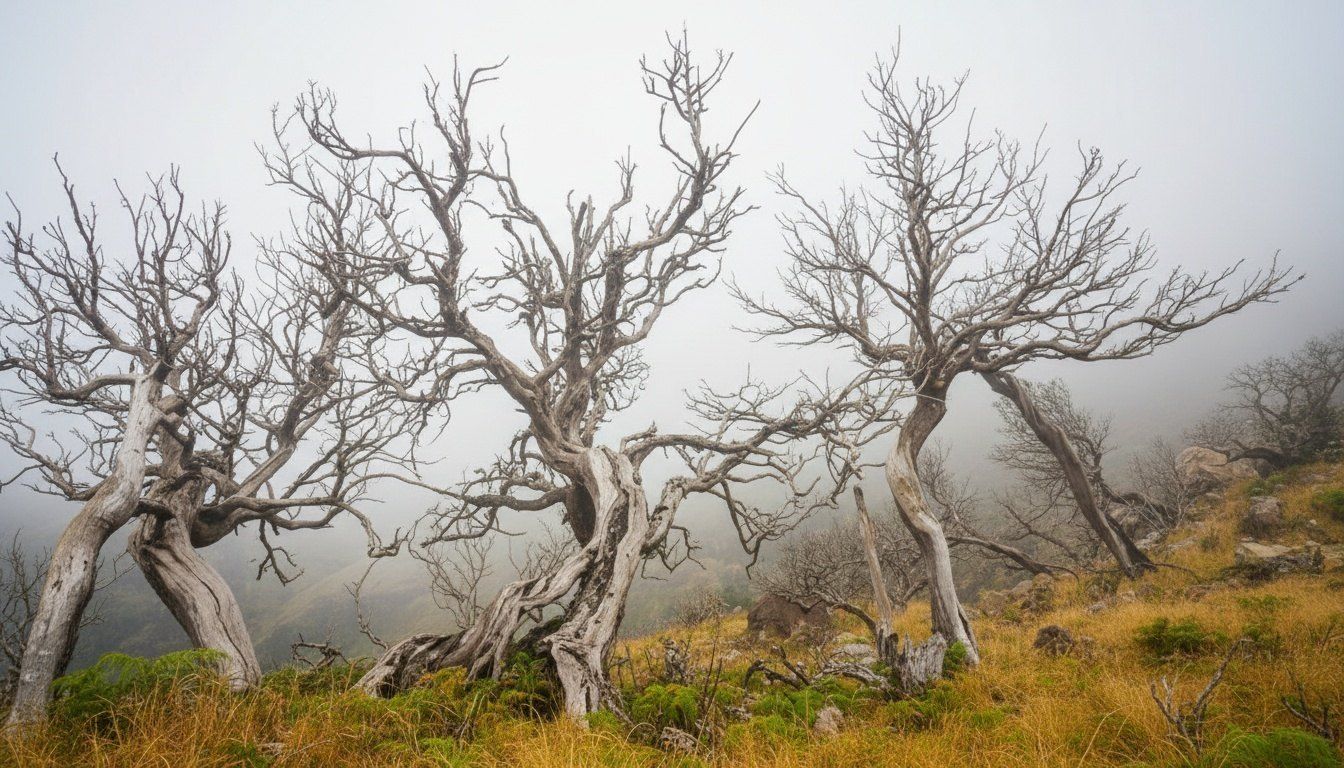 Fanal is located 47.4 km from Funchal and features a notable grove of old til trees.
Ribeiro Frio, the nearest way in
Visitors often think the forest needs a long hike. At Ribeiro Frio, it is a short walk from the car.
Ribeiro Frio, 25 minutes from Funchal in the municipality of Santana, is a forest park with an aquaculture centre, a rainbow trout farm that has run since 1960 and breeds trout for inland fishing. Bus 103 from Funchal to Santana passes it.
From the road, PR11, the Vereda dos Balcões, follows the Levada da Serra do Faial for 1.5 km to the Balcões viewpoint, 3 km there and back, rated easy, in about 1:30. It costs €4.50 for visitors over 12, paid in advance on the SIMplifica portal. For a longer day, PR10, the Levada do Furado, runs 11 km from Ribeiro Frio to Portela, rated moderate, in about 5 hours, through the Laurisilva along one of the oldest levadas.
Watch for the birds. Three to look for: the bis-bis, the Madeira firecrest, which is the smallest bird on the island; the tentilhão, the chaffinch; and the pombo-trocaz, the Madeiran long-toed pigeon, an endemic species.
Residents, children of 12 and under, and people with a disability of 60% or more with their carers are exempt from the forest park fee.
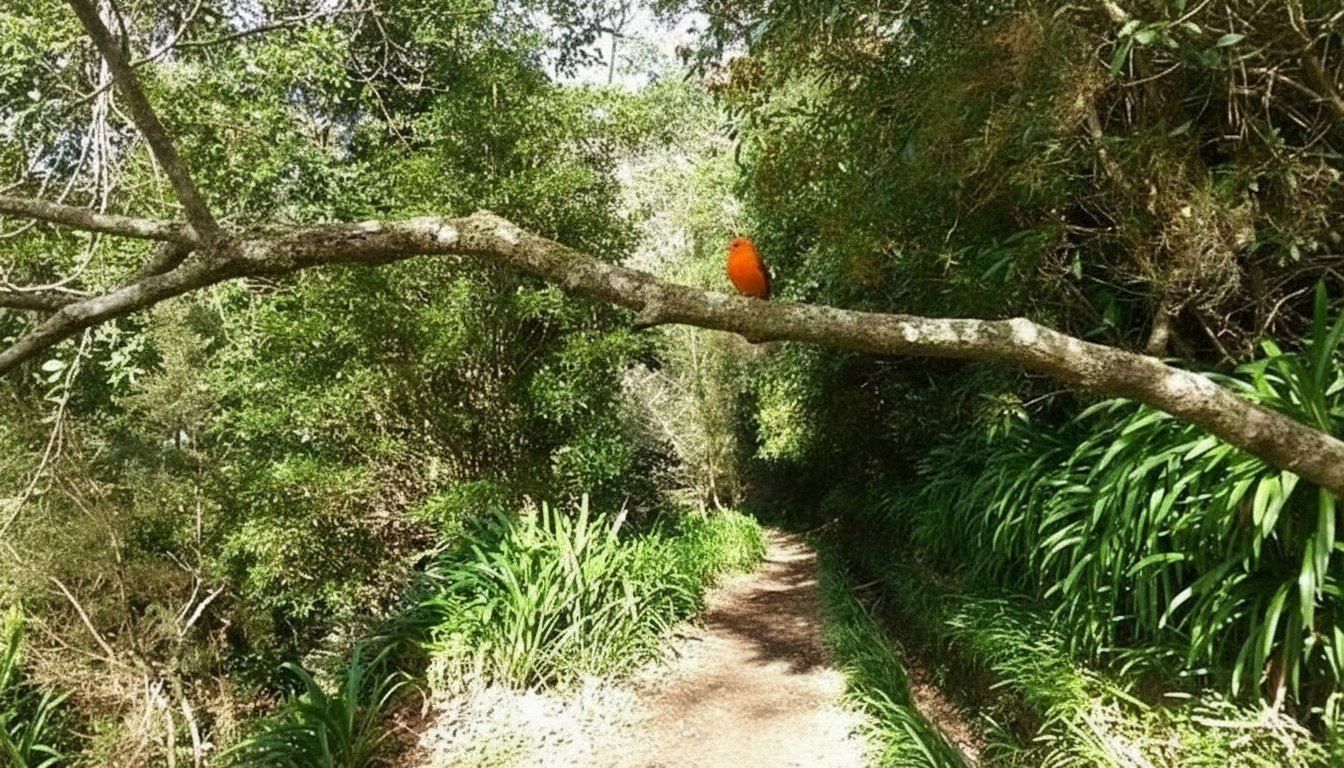 The Madeira firecrest is the smallest bird found on the island.
The trees
People often call every tree in the forest a laurel. There are four great laurel-family trees, and the til is the one to know.
The Madeira laurel forest is dominated by four endemic trees of the laurel family: the til, Ocotea foetens; the laurel, Laurus novocanariensis; the barbusano; and the vinhático, Persea indica. Among them grow smaller trees, heather, ferns, mosses and lichens.
The til is the one to see. At Fanal, a grove of large tis, estimated at hundreds of years old, is recorded in the IFCN's inventory of the island's unique and monumental trees: the tallest measured stands 20.5 m, with trunk perimeters up to 2.28 m, and some specimens date from before the island's discovery in 1419.
The forest's age is in its trees. Most of it is believed never to have been felled, and its oldest trees may be more than 800 years old, which means some were growing before the first settlers arrived.
Goats and sheep once damaged the forest; they have since been removed from the protected area.
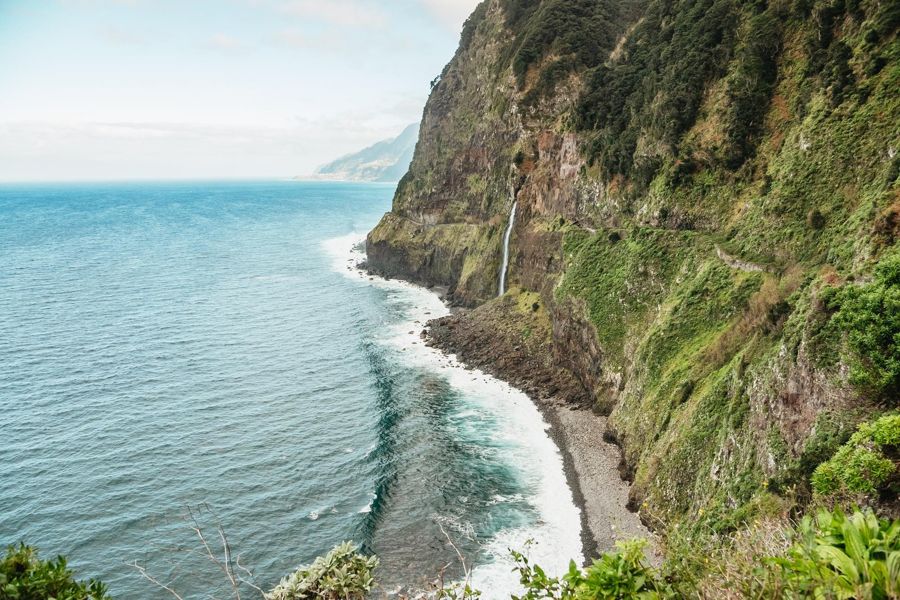
From Funchal: West Madeira and Laurel Forest Day Trip
★ 4.6 · 2,445 reviewsThe west of Madeira and the laurel forest in one day from Funchal.
How the forest is protected
Visitors often ask about a Madeira national park, expecting one like those on the mainland. The island's protected area is a natural park, with its own rules.
The Laurisilva lies within the island's Natural Park, created in 1982, and its UNESCO property of about 15,000 ha has a buffer zone of 12,000 ha, also inside the park. Parts of the forest carry extra layers of protection: Fanal, for example, is in the Natura 2000 network and is a Rest and Quiet Reserve.
The European Habitats Directive obliges Portugal to protect 39 rare and threatened species in the forest. The endemic long-toed pigeon is the best known of the animals; many of the plants grow nowhere else.
For a visitor, the protection means a few simple rules. Walk the classified trails, and pay the €4.50 fee for each before you set off; keep to the paths; take rubbish away; and do not pick plants.
The classified trails are listed by the IFCN, which also posts closures. Check its trail notices before any walk.
- Area
- About 15,000 ha, about 20% of the island
- Primary forest
- About 90%
- Oldest trees
- Possibly over 800 years
- Altitude
- 300-1,300 m on the north side
- Nearest from Funchal
- Ribeiro Frio, about 25 minutes
The UNESCO listing
The mistake is to think the listing is about the scenery. It is about a kind of forest that is almost gone.
The Laurisilva forest Madeira UNESCO listing dates from December 1999, as World Heritage site number 934, under criteria (ix) and (x): the forest as an example of ongoing ecological processes, and as a habitat for species found nowhere else. It is the largest surviving area of laurel forest, a vegetation type that covered much of southern Europe 15 to 40 million years ago and is now confined to the Azores, Madeira and the Canary Islands.
About 90% of it is believed to be primary forest. It holds a unique set of plants and animals, many of them endemic, from the long-toed pigeon to plants found only on the island.
The listing also records the levadas. The water channels that cross the forest are typically 80 to 150 cm wide, built in stone or, more recently, in concrete, and they carry water to hydroelectric stations and to the towns of the south. That is why so many of the forest walks follow a levada.
The UNESCO listing sets out the reasons in full.
The Laurisilva at a glance
- UNESCO listing
- December 1999, site no. 934
- Area
- About 15,000 ha, buffer zone 12,000 ha
- Dominant trees
- Til, laurel, barbusano, vinhático
- Protected species
- 39 under the EU Habitats Directive
- Levadas
- Typically 80-150 cm wide
The longer walks
Visitors often stop at the first viewpoint. The forest's best walks run for hours.
PR9, the Levada do Caldeirão Verde, is the classic. It starts at the Queimadas forest park, about 51 minutes from Funchal, and runs 8.7 km each way through the Laurisilva to the Caldeirão do Inferno, past a waterfall of about 100 m at the Caldeirão Verde, in about 6:30 there and back, rated moderate. The levada was built in the 18th century to carry water to the farmland of Faial. Parking at Queimadas costs €2 an hour.
In the far north-west, PR13, the Vereda do Fanal, crosses from the Paul da Serra to the Fanal til grove, 10.8 km in about 4 hours, and PR14, the Levada dos Cedros, runs 7.2 km from Fanal. East of Ribeiro Frio, PR10 follows the Levada do Furado for 11 km to Portela.
All of them lie inside the Madeira Natural Park, and all the classified ones cost €4.50 for visitors over 12. The levada walks guide compares them with the rest of the island's walks.
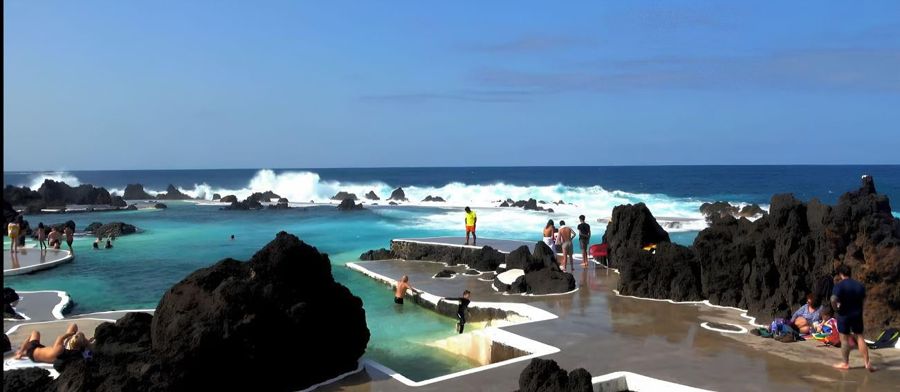
From Funchal: West Madeira Waterfalls and Fanal Forest Tour
★ 4.7 · 3,827 reviewsThe Fanal forest and the waterfalls of the west in a day from Funchal.
Fog, rain and water
People often plan a forest walk on a day that looks perfect from Funchal, and find the north in cloud. The forest is on the wet side of the island.
The Madeira cloud forest, as the Laurisilva is often called, grows on the wet north-facing slopes. The Queimadas station, above Santana at the start of PR9, averaged about 2,300 mm of rain a year over 1941-1970, against about 575 mm in Funchal. Fog is frequent at Fanal because of the altitude.
That water is why the forest matters beyond itself: it plays a predominant role in the island's water balance, and the levadas carry what it gathers to the south.
For a walk, dress for the north, not for the city. Bring a waterproof and a warm layer, wear shoes with grip for wet paths, and carry a torch for the tunnels on PR9. Check the forecast for the north side on the morning of the walk, and keep a second day free in case the first is lost to rain.
Common questions
Where can I see the Laurisilva near Funchal?
At Ribeiro Frio, 25 minutes by road, where PR11 runs an easy 1.5 km to the Balcões viewpoint. Bus 103 to Santana passes it.
Is the Laurisilva a UNESCO site?
Yes, since December 1999, as the largest surviving area of laurel forest, about 15,000 ha.
Do you pay to walk in the Laurisilva?
The classified trails cost €4.50 each for visitors over 12, paid in advance on the SIMplifica portal.
How old are the trees?
The oldest may be more than 800 years old, and some of the tis at Fanal date from before the island's discovery.