Some links on this page are affiliate links: if you book through them, we may earn a commission at no extra cost to you. How this works
Madeira airport (FNC), officially Cristiano Ronaldo International, lies at Santa Cruz on the south-east coast, 18.6 km and about 20 minutes by road from central Funchal. The Aerobus costs €6.70 on board or €5.55 with a pre-paid GIRO ticket and leaves the airport between 08:30 and 22:00; a taxi to the city costs about €25 to €35 for up to four people. A pre-booked transfer costs about the same and meets you at arrivals with a name board.
It is the island's gateway for almost every visitor, with a runway partly built on a platform over the sea and a reputation, among pilots and passengers, for wind. That reputation has a practical side: on a gusty day some flights are diverted or cancelled, and a traveller who knows it can plan a day of slack at the start and the end of a trip. The Aerobus into town leaves the airport from 08:30 to 22:00 and takes about 50 minutes to Praia Formosa, and on a bad day the wind decides the rest: on 5 March 2026, seven flights were cancelled and five diverted.
Pre-booked rides from the airport to your hotel in Funchal, for anyone who would rather not wait for a bus with luggage.
 Most reviewed
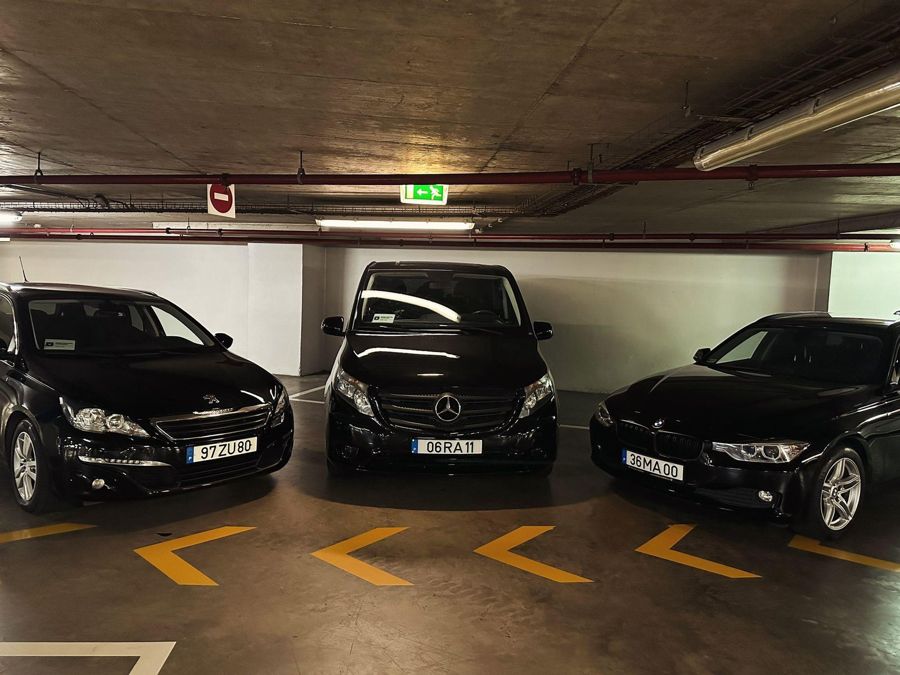
Madeira: Airport transfer to anywhere, or Funchal to the airport
A transfer from the airport to any address on the island
 Private
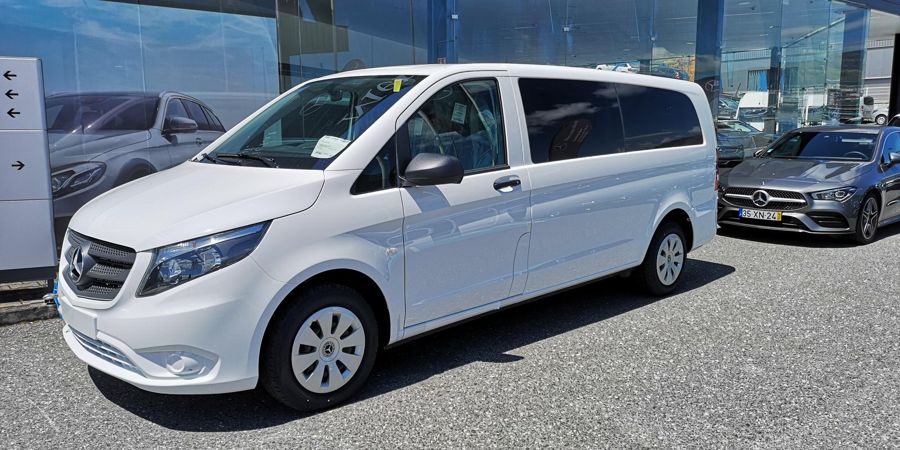
Funchal Airport: Private Transfer To/From Funchal
A private car between the airport and a Funchal hotel
The codes on your ticket
Travellers sometimes search their booking for "Funchal" and find a different word, or a three-letter code they do not recognise. The airport is one airport under several names.
The madeira airport code that airlines and booking sites use is FNC, the IATA code printed on tickets and luggage tags. Pilots and air traffic control use the ICAO code, LPMA. Both refer to the same place, the one airport on Madeira island.
On a booking you may see "Funchal", "Madeira" or the full official name, which includes Cristiano Ronaldo. They are all FNC.
The official site of the airport operator, aeroportomadeira.pt, carries live arrivals and departures, the airlines and destinations, access and parking. It is the page to open on the day of travel, more reliable than a screenshot of a booking made weeks earlier.
The airport sits at an elevation of about 59 m, close to the sea, which matters for the one thing everyone asks about: the wind that comes off the water and the slopes behind.
 The official airport operator site carries live arrivals and departures more reliably than booking screenshots.
What you see from the window
Many passengers expect a small island strip and are surprised by how the airport looks from above: a long runway laid along the shore, with the sea on one side and the slopes of Santa Cruz rising on the other.
The madeira airport photos that circulate most show one feature, the section of runway that stands on pillars over the sea. It is real. When the extension opened in 2000, part of it was built as a slab over the water, carried on 180 pillars.
From the window you see the coastline and the town of Santa Cruz, and the structure under the runway is part of what makes the shore here look the way it does.
For a photograph of your own, keep to public places and roads: the airport perimeter is not a viewing area.
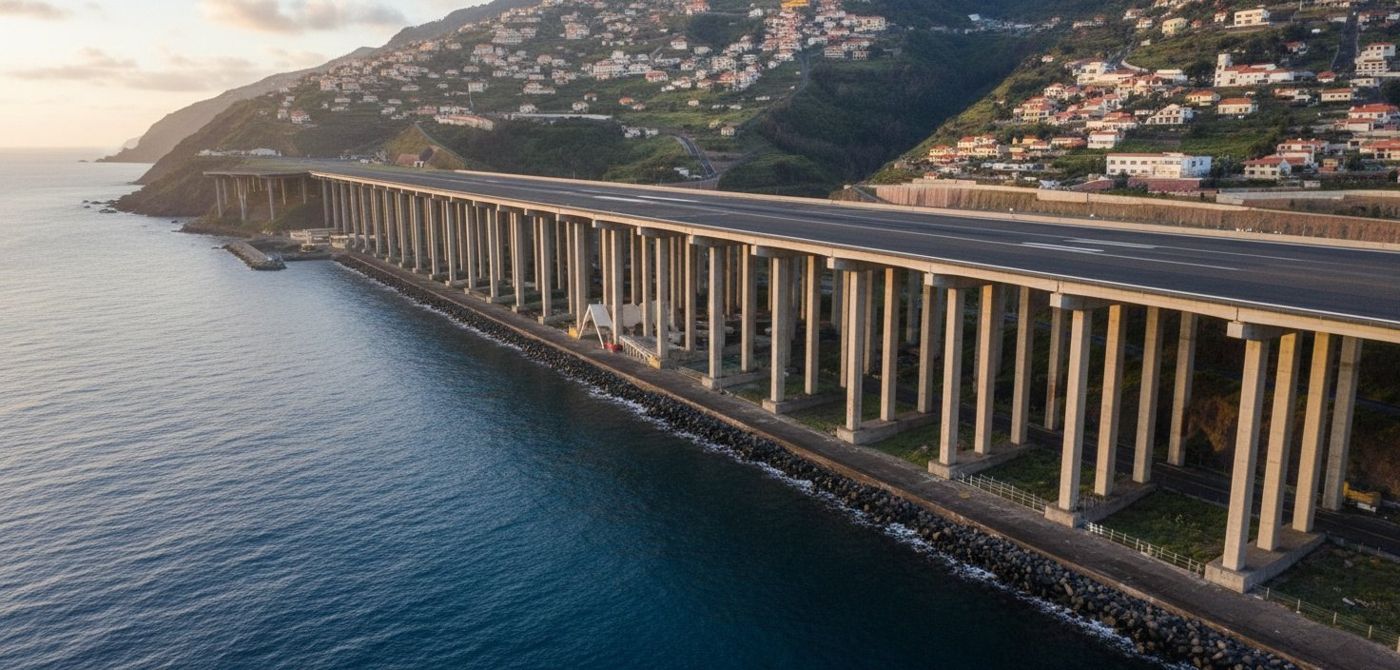 Part of the runway extension opened in 2000 was built as a slab over the water carried on 180 pillars.
The wind, and what it does to flights
The worry most travellers bring is that the airport is unsafe. The question they ask, why is madeira airport dangerous, has a narrower and more useful answer: the airport is exposed to strong wind, and when the wind is too strong, flights do not land.
That is what happens on bad days. On 5 March 2026, for example, strong wind at Santa Catarina caused seven cancellations and five diversions, as dnoticias.pt reported. A diverted flight lands somewhere else, usually waits or returns, and the passengers reach Funchal later than planned. It is an inconvenience, not an accident, and it is the system working as intended.
The practical consequence is for your plans, not your nerves. Avoid booking a tight connection on the day you fly out of Madeira, and avoid a non-refundable activity on the morning after you land. Buy travel insurance that covers delays and missed connections, and keep the airline's app or the airport's live board open on a windy day.
Wind is not the only weather that matters. Heavy rain and low cloud also slow operations, and the island's climate varies from one coast to another. Seasonal patterns and month-by-month figures for Funchal are on the weather pages; the day's conditions are what the airline decides by.
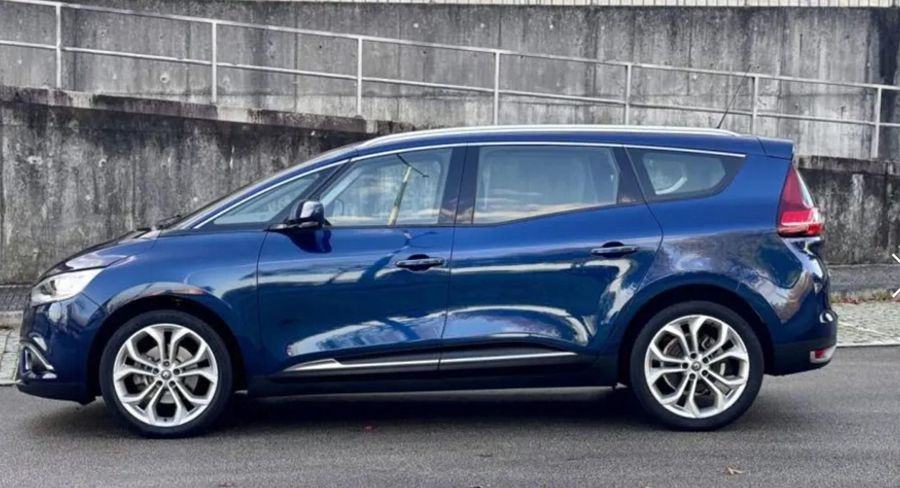
Funchal Airport Transfers
★ 4.7 · 47 reviewsA pre-booked transfer between Madeira airport and Funchal, met at arrivals.
The runway, then and now
It helps to know the runway grew in stages, because it explains both the photographs and the stories older travellers tell about landing on Madeira.
The airport opened in 1964 with a runway of 1,600 m. It was lengthened to 1,800 m on 1 February 1986. The madeira airport runway reached its present 2,781 m on 15 September 2000, when the extension on pillars over the sea opened.
The difference matters for what can land. A longer runway takes larger aircraft and gives every aircraft more room, which is why the airport now handles far more traffic than it did. In one year it passed 5 million passengers for the first time, as its operator ANA announced; in 2014 it had counted about 2.46 million commercial passengers, then a record.
The terminal and the administrative and commercial areas are in the municipality of Santa Cruz; part of the runway extension lies in Machico. For a visitor this is only geography, but it explains why the airport's own address, and the Aerobus timetables, name Santa Cruz rather than Funchal.
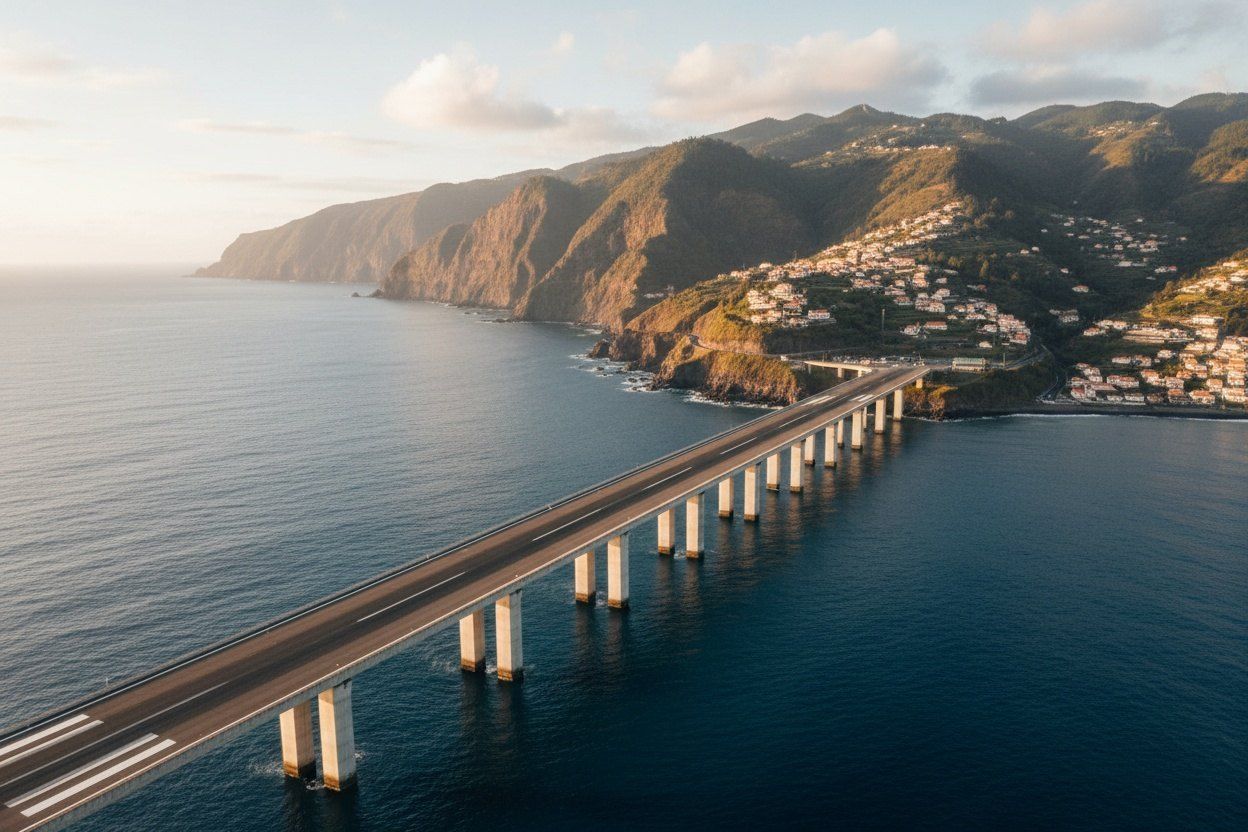 The airport handles more than 5 million passengers annually and is located in Santa Cruz.
Landing, in practice
Nervous flyers tend to imagine the worst about a madeira airport landing, based on videos filmed on the gustiest days of the year. Most landings are ordinary: a long approach along the coast and a normal touchdown.
What is different is the margin for wind. When it exceeds what the operation allows, the crew goes around or diverts rather than land, as on 5 March 2026 with its five diversions. A go-around, the aircraft climbing away and coming back for another approach, feels dramatic from the cabin. It is a routine procedure, not an emergency.
If your flight is diverted, the airline looks after the onward journey: another landing attempt later, a return to the airport of departure, or a bus and ferry arrangement in rarer cases. Keep your hotel and any pre-booked transfer informed, because a driver waiting at arrivals will not know your flight went elsewhere unless you or the operator tell them. The same goes for the first night's booking: a hotel that expects you at six in the evening may give the room away if you arrive the next morning without a word.
A traveller who dislikes turbulence can do little about the wind. The airline lands when the conditions allow, and waits or diverts when they do not.
Madeira airport in figures
- IATA code
- FNC
- ICAO code
- LPMA
- Runway
- 2,781 m since 15 September 2000
- Runway before 1986
- 1,600 m
- Pillars under the extension
- 180
- Elevation
- About 59 m
The name on the building
Visitors are sometimes unsure whether the airport they booked is the one they landed at, because the building's name has changed.
The madeira international airport has been commercially named after Cristiano Ronaldo, who was born in Funchal, since 29 March 2017; the formal designation followed the usual process with the airline association. Signs, tickets and websites now use the Ronaldo name, "Madeira" and "Funchal" interchangeably, and all of them mean FNC. A ticket under any of the three names lands on the same runway.
The name is a matter of branding, not of service: the same terminal, the same runway and the same buses serve it under every name. For a traveller the useful point is the one already made about codes: when a booking, a transfer or a car-hire desk asks which airport, the answer is FNC.
The link to Ronaldo does not end at the terminal. The footballer's museum and statue stand on Funchal's seafront, which has its own page for visitors who want to see them.
- Opened
- 1964
- Runway to 1,800 m
- 1 February 1986
- Runway to 2,781 m
- 15 September 2000
- Named after Cristiano Ronaldo
- 29 March 2017 (commercially)
- Passengers
- Over 5 million in one year, a first
Checking flights on the day
The most common mistake on a windy day is to rely on a booking confirmation rather than live information. Flights at FNC can change within hours when the wind rises.
For funchal airport news, the live board on the operator's own site, aeroportomadeira.pt, shows arrivals and departures as they stand. The airline's app is the other reliable source, and it is the one that will tell you about a diversion or a rebooking first. Regional news sites such as dnoticias.pt report days of widespread disruption, which is useful context but not a substitute for your flight's status.
If you are meeting someone, watch the arrival rather than the scheduled time, and expect a delay on a gusty day. If you are flying out, check before leaving the hotel: a cancelled departure is easier to handle from Funchal than from the terminal.
Travellers from outside the European Union should also allow time at the border. The EU's Entry/Exit System has been fully operational at Schengen external borders since 10 April 2026, and it records fingerprints and a facial image at the first entry; the European Commission has the details. Madeira is in the Schengen area, so arrivals from the UK, the US or Canada pass through it at FNC.
From the airport to Funchal
| Option | Details |
|---|---|
| Aerobus (CAM) | €6.70 on board, €5.55 on a pre-paid GIRO ticket |
| Aerobus hours from the airport | First 08:30, last 22:00 |
| Aerobus journey | About 50 minutes to the end of the route, 25 stops |
| By road | 18.6 km, about 20 minutes |
| Pre-booked transfer | Price per booking, from the partner |
- Details
- €6.70 on board, €5.55 on a pre-paid GIRO ticket
- Details
- First 08:30, last 22:00
- Details
- About 50 minutes to the end of the route, 25 stops
- Details
- 18.6 km, about 20 minutes
- Details
- Price per booking, from the partner
Where the airport is
Visitors often assume the airport is in Funchal. It is not, and the distance shapes how you get to your hotel.
The answer to where is madeira airport: on the south-east coast, in the municipality of Santa Cruz, near Santa Catarina, with part of the runway in Machico. By road it is 18.6 km from central Funchal, about 20 minutes' drive on the fast road. Santa Cruz and the airport town sit east of the city; Machico, where the first settlers landed, is just beyond it.
That location has a practical upside, and a practical cost. The cost is that every arrival and departure includes a road journey, however short, and on a late-night landing the last bus may already have gone. The upside is choice. Machico and Santa Cruz are closer to the airport than Funchal is, and a night there on arrival or departure can save a transfer when flights are late. For most visitors, though, Funchal is the base, and the question becomes how to cover those 20 minutes.
The coast road east of the airport also leads to the Ponta de São Lourenço trail, the island's eastern tip. A traveller with a car and a late flight home can walk it on the last morning and still be close to the terminal.
- Municipality
- Santa Cruz (part of the runway in Machico)
- From central Funchal
- 18.6 km, about 20 minutes by road
- Aerobus operator
- CAM - Companhia de Autocarros da Madeira
- Live flights
- aeroportomadeira.pt
Getting into Funchal
The easiest mistake on arrival is to take the first option at the door without comparing. The choice is between a bus, a car you drive yourself, a taxi and a pre-booked transfer, and each suits a different traveller.
The Aerobus, run by CAM, is the budget choice. It costs €6.70 paid on board, or €5.55 with a pre-purchased GIRO ticket, by the 2026 tariff. From the airport the first bus leaves at 08:30 and the last at 22:00, and the full route to Praia Formosa takes about 50 minutes with 25 stops, through the city centre and the hotel zone. Fares change: check the Horários do Funchal tariff before travelling.
Whatever the madeira airport name on your booking, the ways into town are the same. For a taxi, ask for the fare before you set off.
A pre-booked transfer suits a late arrival, a family with luggage or a first-time visitor who wants to be met with a name board. It costs more than the bus and less stress than finding a taxi after a delayed flight. Whichever you choose, decide before you land: the arrivals hall after a long or bumpy flight is the worst place to compare options.
Aerobus, 2026 tariff
- Paid on board
- €6.70
- Pre-paid GIRO ticket
- €5.55
- First bus from the airport
- 08:30
- Last bus from the airport
- 22:00
- Full route
- About 50 minutes, 25 stops
Renting a car at the airport
Drivers often hire a car at the airport by default and then leave it parked for days in Funchal, where parking is scarce and the streets are steep. Whether you need one depends on what you plan to see.
Picking up a hire car on arrival is convenient for a trip based outside the city or one full of day trips to the north and west. For a stay in Funchal with a few excursions, the island's buses and the tours that pick up at hotels cover a great deal, and a car can be hired for just the days you need it.
The drive from the airport to the city is short, 18.6 km on the fast road along the south coast. The island's mountain roads are another matter, and a first-time visitor is wise to plan those days in daylight.
Costs, the rules at the desks and when a car is worth it have their own pages: car rental in Funchal and a tool that prices the same trip with a car, with tours and by bus.
Choosing a way into Funchal
| You are | Best fit |
|---|---|
| Travelling light, on a budget | Aerobus |
| Landing after 22:00 | Taxi or pre-booked transfer |
| A family with luggage | Pre-booked transfer |
| Planning day trips by car | Car hire at the airport |
- Best fit
- Aerobus
- Best fit
- Taxi or pre-booked transfer
- Best fit
- Pre-booked transfer
- Best fit
- Car hire at the airport
Leaving Madeira
The departure is where the wind costs most, because a missed flight home is harder to fix than a late arrival. A little slack goes a long way.
Plan to reach the airport with the time your airline asks for, and add some on a windy day. The drive from central Funchal is short, but the last evening of a holiday is when people cut it finest, and a delayed bus or a queue at the car-hire return eats the margin quickly. Leave the last morning free of fixed plans far from the airport: a trail on the other side of the island is a poor choice on the day you fly, however good the forecast.
Returning a hire car takes time too. Allow for the return, the paperwork and the walk to the terminal, and fill the tank in advance if the contract asks for it full.
If your flight is cancelled, the airline rebooks you. Keep receipts for meals and a hotel if you are stranded overnight, and read what your travel insurance covers before the trip, not after.
Arriving from outside Europe
Long-haul visitors sometimes forget that Madeira is part of Portugal and of the European Union, with the same entry rules as Lisbon or Paris.
For travellers from the United States, the United Kingdom or Canada, the Entry/Exit System records your entry digitally at the first Schengen border you cross. If that is Madeira, it happens at FNC; if you connect through Lisbon or another Schengen airport, it happens there and the flight to Funchal is a domestic arrival. The ETIAS travel authorisation, an online pre-travel screening for visa-free visitors, is expected in the last quarter of 2026, with no fixed date announced.
Check your government's travel advice before you go: the UK Foreign Office and the US State Department publish pages on Portugal.
Before you fly, save the confirmation of anything you have pre-booked, a transfer, a car or a first night's hotel, where you can open it without a data connection. Arrivals halls are where phone batteries and patience run low, and a reference number on paper settles most problems in a minute.
Money and power need a moment too. Madeira uses the euro, and its sockets are types C and F at 230 V, so American plugs need an adapter.
Common questions
What is the airport code for Madeira?
FNC is the IATA code on tickets and luggage tags; LPMA is the ICAO code pilots use. Both refer to the one airport on Madeira island.
How far is Madeira airport from Funchal?
18.6 km by road, about 20 minutes' drive. The Aerobus takes about 50 minutes to the end of its route, through the city centre and the hotel zone.
What happens if my flight cannot land because of wind?
It may go around for another approach, divert to another airport or be cancelled. The airline arranges the onward journey; let your hotel and any transfer know.
How much is the Aerobus?
By the 2026 tariff, €6.70 paid on board or €5.55 with a pre-paid GIRO ticket. Fares change, so check before you travel.