Some links on this page are affiliate links: if you book through them, we may earn a commission at no extra cost to you. How this works
Is Funchal safe? By every official measure, yes, and more so than most European cities its size. The US Department of State keeps Portugal at its lowest advisory level, exercise normal precautions, and calls it generally a safe destination. Canada says the same in almost the same words. Portugal ranked 7th of 163 countries in the 2024 Global Peace Index, fifth in Europe.
What makes Madeira different from a city on the mainland is where the risk sits. Crime against visitors is petty theft, as everywhere in Portugal, and rare here. The accidents that fill the local news happen on the levadas and the mountain trails, and in the sea off a coast of rock and swell. The useful preparation is to know the three rules the island publishes for walkers, to swim where lifeguards are on duty, and to keep two numbers: 112, and the police station on Rua da Infância.
The two most reviewed ways to see the island with a guide and a vehicle, instead of alone on the road.
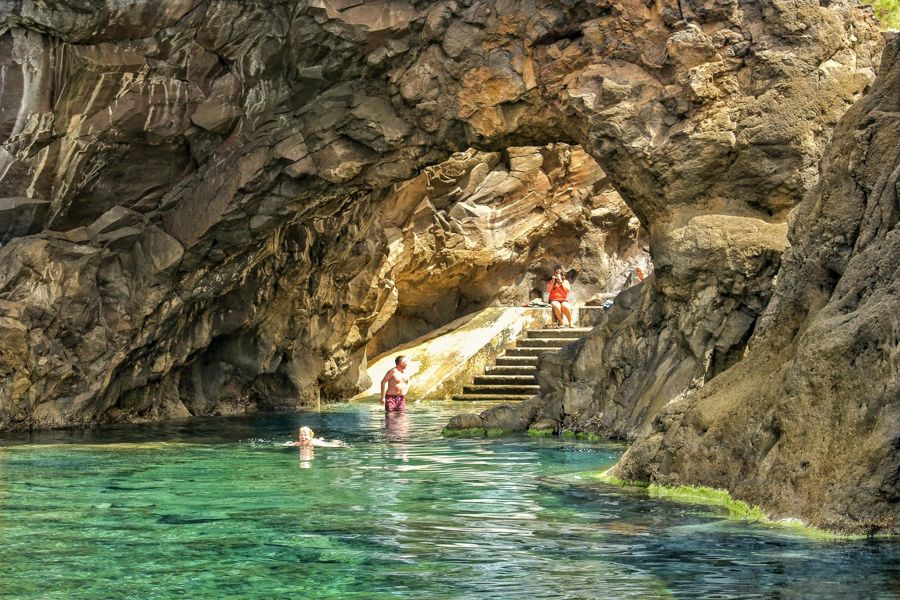 4WD day
Funchal: Enchanted Terraces, Porto do Moniz & Fanal 4WD Tour
The north and west of the island by 4WD with a driver who knows the roads
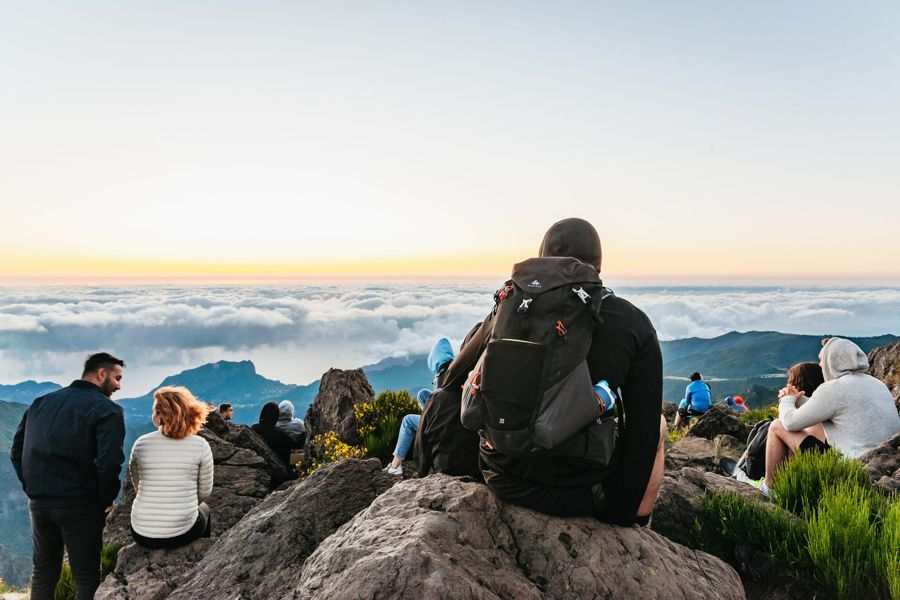 Sunrise transfer
Funchal: Pico do Arieiro Sunrise Hiking Transfer
The mountain road before dawn done by someone else, for the sunrise at 1,818 m
What the official advice says
The mistake is to read safe as meaning that nothing happens. The advice from the three English-speaking governments is consistent and specific. The US advisory of 23 December 2025 asks travellers to stay alert to petty theft in crowded tourist areas and on public transport. Canada says pickpocketing and bag snatching are common in the major cities and that thieves often target tourists. The UK advice adds that attacks, including sexual assaults, are rare but do occur, with the risk highest late at night around nightlife, and that drinks in Portuguese bars are often stronger than visitors expect.
Portugal's own figures point the same way. In the Annual Internal Security Report for 2025, reported crime overall rose 3.1 percent, while violent and serious crime fell 1.6 percent and made up about 4 percent of the total. The report gives no figure for Funchal alone.
The police are easy to find. The PSP's Funchal division and the Madeira regional command share one address, Rua da Infância 28, and the regional tourism board names it as the police service for visitors. The division answers on +351 291 208 400. For an emergency of any kind, on land or at sea, call 112.
Safety in brief
| Detail | |
|---|---|
| US advisory | Lowest level: exercise normal precautions |
| Global Peace Index 2024 | 7th of 163 countries |
| Violent and serious crime, Portugal 2025 | Down 1.6 percent |
| Emergency number | 112 |
| Police in Funchal | PSP, Rua da Infância 28, +351 291 208 400 |
| Classified trail fee | 4.50 EUR, booked on SIMplifica |
- Detail
- Lowest level: exercise normal precautions
- Detail
- 7th of 163 countries
- Detail
- Down 1.6 percent
- Detail
- 112
- Detail
- PSP, Rua da Infância 28, +351 291 208 400
- Detail
- 4.50 EUR, booked on SIMplifica
Where the real risks are
The mistake is to pack for a city and then set out along a levada. The regional tourism board's notice to walkers comes down to a few rules: plan the walk to finish before nightfall, take extra food and water, wear suitable clothes and shoes, carry a mobile phone, and in heavy rain or strong wind do not go on but turn back by the same route. The classified trails are kept by the Institute of Forests and Nature Conservation, which publishes which ones are open; a closed trail is closed for a reason. The trails cost 4.50 euros for visitors over 12, and the famous PR1 from Pico do Areeiro to Pico Ruivo reopened on 26 June 2026 one way only, with a compulsory booking, after nearly two years of works.
The sea is the second risk. The UK advice says it plainly: every year people drown in the sea and in pools in Portugal, waves can be unpredictable, some beaches have a strong undertow, and a swimmer caught in a rip current should not fight it. Funchal's bathing complexes keep a June to September season with lifeguards; most of the island's bathing places are rock and pebble with ladders, and 17 of them flew the Blue Flag in 2026, five in Funchal.
In the city itself the ordinary rules apply. Keep valuables apart, watch bags in the market and the cable car queue, stay with your group late at night, and carry photo ID, which the police may ask for.
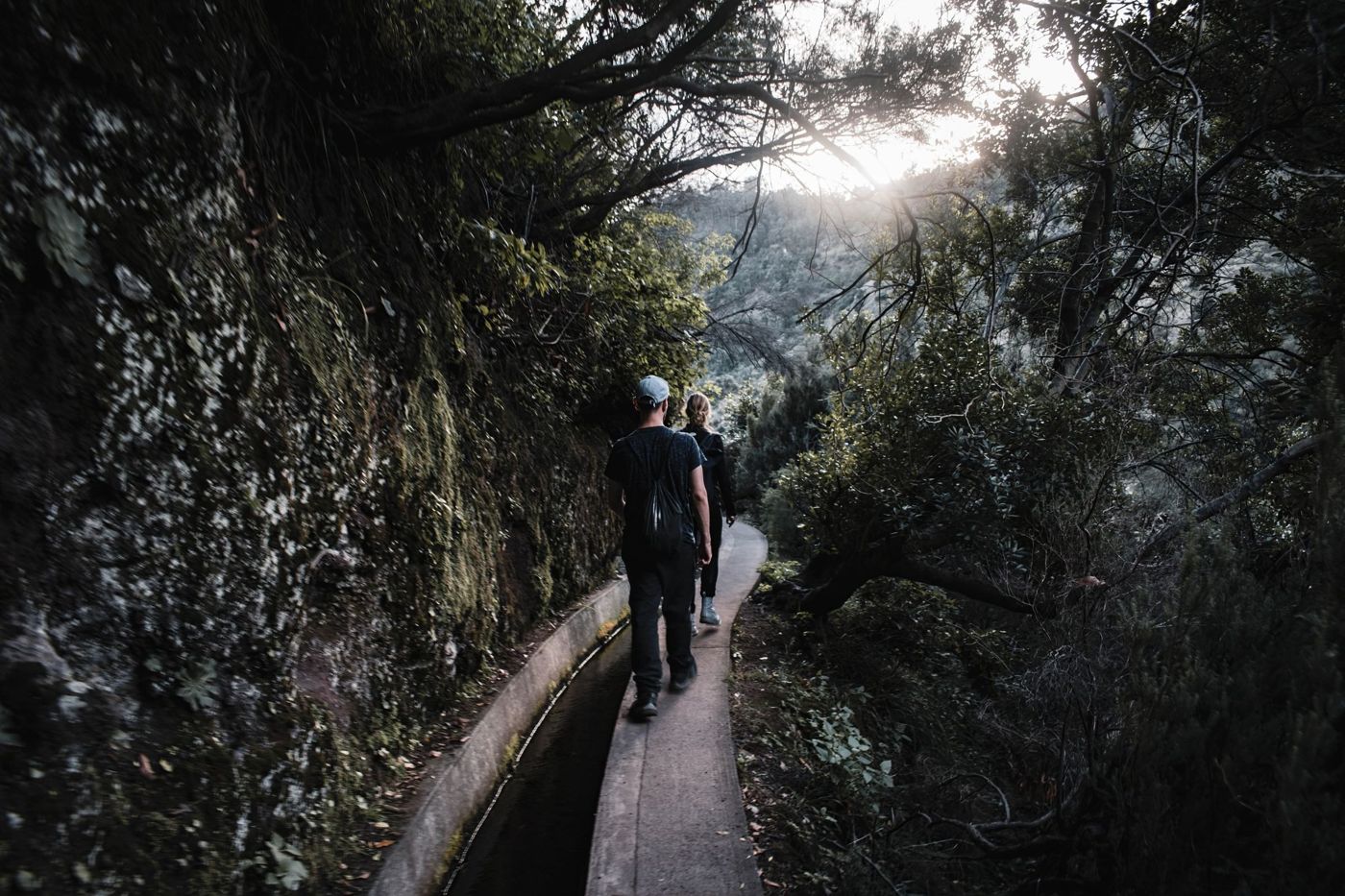 Finish before nightfall, carry water and a phone, turn back in heavy rain: the island's three rules.
Common questions
Is Funchal safe at night?
The UK advice says attacks are rare but do occur, with the risk highest late at night around nightlife. Stay with your group and watch your drink.
Is pickpocketing a problem in Funchal?
Petty theft is the one crime visitors meet in Portugal, in crowded places and on public transport. Keep valuables apart and bags closed in the market and the cable car queue.
Are the levadas dangerous?
They are the island's main source of accidents. Follow the walkers' notice: finish before dark, carry food, water and a phone, wear proper shoes, and turn back in heavy rain or strong wind. Walk only trails the IFCN lists as open.
What is the emergency number in Madeira?
112, for the police, an ambulance, the fire service and sea rescue alike.